How to Create a PTO Policy Your Team Will Actually Follow
A step-by-step guide to building a clear, fair PTO policy that works for your business and your employees.

Why Your PTO Policy Matters More Than You Think
A PTO policy is not just a document that sits in a handbook. It shapes how employees plan their personal lives, how managers staff their teams, and how your business operates during peak and off-peak periods. A vague or overly complicated policy leads to confusion, inconsistent approvals, and resentment. A clear one builds trust and keeps things running smoothly.
The good news is that building a solid PTO policy is not complicated. It just requires you to make a few deliberate decisions and communicate them clearly.
Step 1: Define Your Leave Types
Start by deciding which types of leave your business will offer. Common categories include:
- Vacation days for planned personal time off
- Sick leave for illness or medical appointments
- Personal days for errands, family obligations, or mental health
- Floating holidays that employees can use on dates meaningful to them
- Bereavement leave for the death of a family member
Each leave type should have its own balance and its own rules. Lumping everything into a single PTO bucket is simpler to administer, but separating sick leave from vacation ensures employees do not feel pressured to "save" their vacation days in case they get sick.
Decide which types are paid and which are unpaid. Be specific. Ambiguity here leads to assumptions, and assumptions lead to disputes.
Step 2: Choose Accrual vs. Lump Sum
There are two main approaches to granting PTO.
Accrual-Based
Employees earn leave gradually over the year, typically a certain number of hours per pay period or per month. This approach gives the business more predictability and reduces the financial liability of a large upfront grant. It also means new hires do not start with a full year's entitlement on day one.
Lump Sum
Employees receive their full annual entitlement at the start of the year or on their work anniversary. This is simpler for employees to understand and eliminates the "I haven't accrued enough yet" problem. However, it can create cash flow considerations if an employee uses all their time and then leaves the company.
Neither approach is universally better. Choose the one that fits your business size, cash flow, and culture.
Step 3: Set Notice Periods
Define how far in advance employees need to request time off. This is especially important for vacation days, where the team needs time to plan around an absence.
A common approach is to require notice proportional to the length of the absence:
- One to two days off: at least one week's notice
- Three to five days off: at least two weeks' notice
- More than a week off: at least one month's notice
Sick leave is obviously different. Employees should notify their manager as soon as reasonably possible, ideally before their shift starts.
Be explicit about how requests should be submitted. If you use a self-service leave management tool, make that the official channel. Verbal requests and text messages get lost.
Step 4: Handle Carryover Clearly
What happens to unused PTO at the end of the year? You have three main options:
- Use-it-or-lose-it: Unused days expire at year end. This is simple but can lead to a rush of time-off requests in December.
- Full carryover: Unused days roll into the next year indefinitely. This is generous but can create large accrued liabilities on your books.
- Capped carryover: Employees can carry over a limited number of days, such as five. This balances flexibility with financial predictability.
Whatever you choose, make sure employees know the rule well in advance. Nobody should be surprised to learn their unused days have expired.
Step 5: Communicate the Policy Clearly
A policy only works if people know about it. Do not bury it in a fifty-page handbook that nobody reads. Instead:
- Share the policy during onboarding and walk new hires through it
- Post it somewhere easily accessible, such as your company intranet or a shared document
- Send a reminder at the start of each year, especially if carryover rules apply
- Address questions promptly and update the policy when things change
Use plain language. If a sentence requires a second reading to understand, rewrite it.
Step 6: Make It Easy to Follow
The best PTO policy in the world fails if the process for using it is cumbersome. If requesting time off requires filling out a paper form, emailing three people, and waiting for a reply that may never come, employees will work around the system instead of through it.
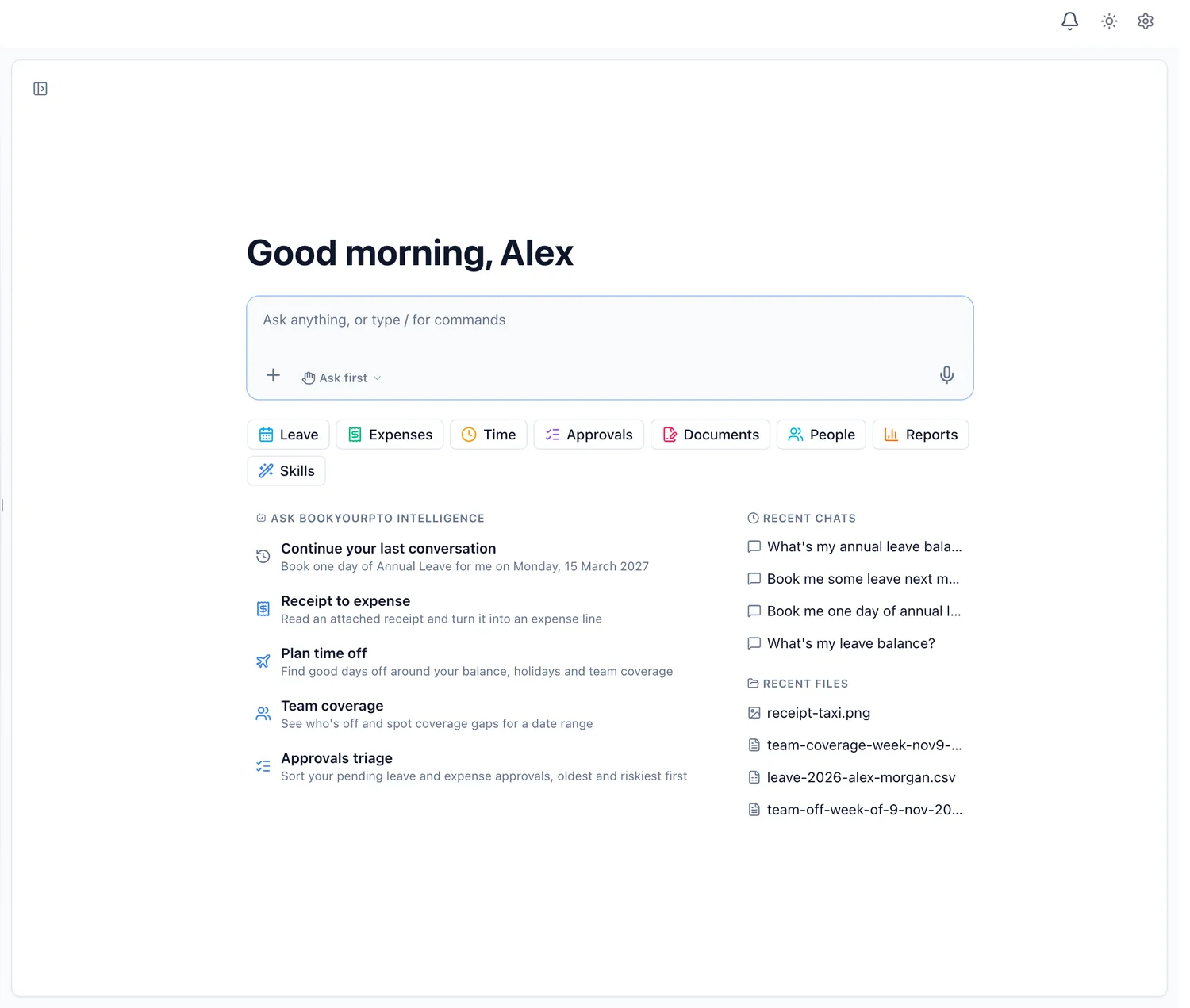
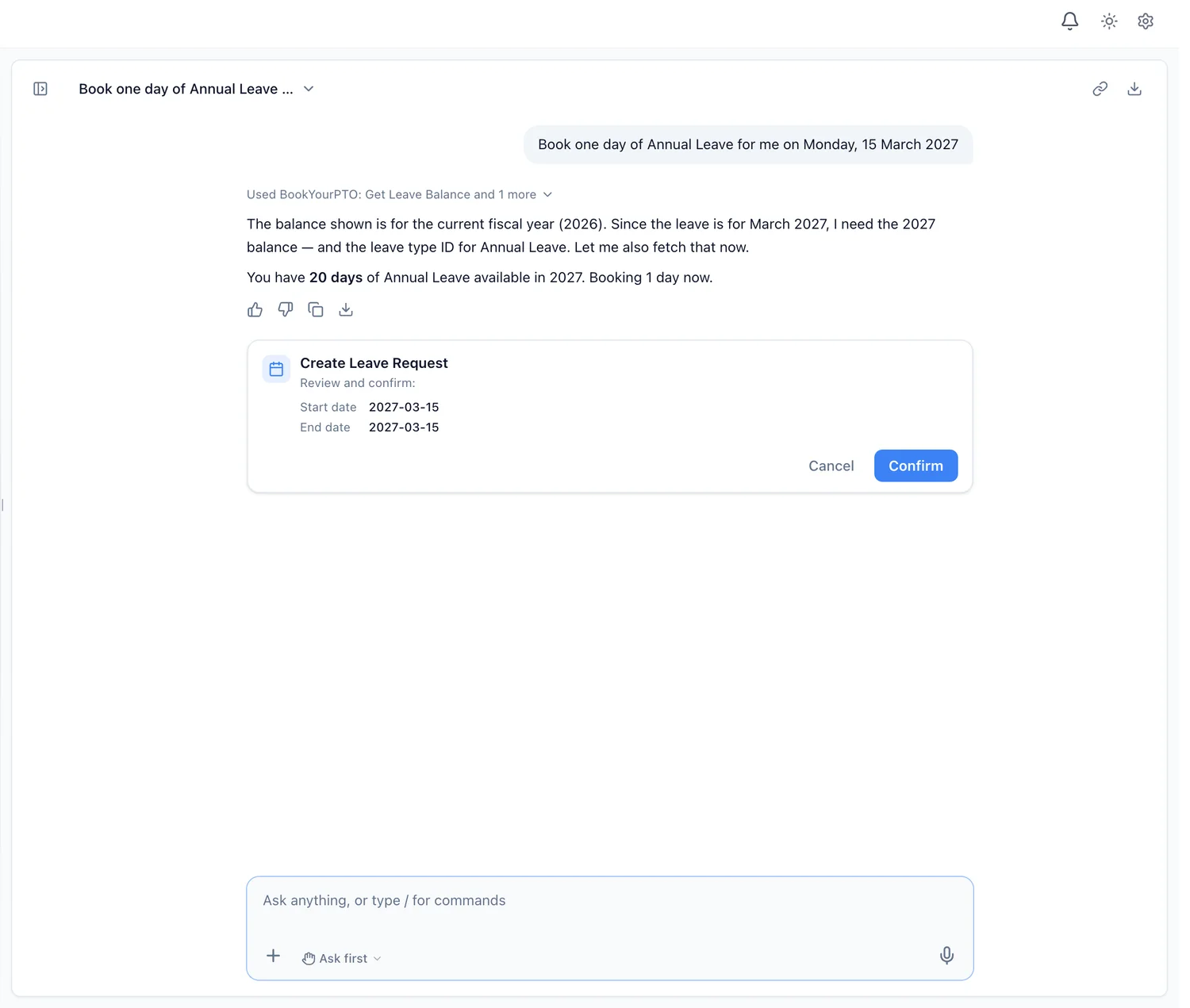
This is where the right tool matters. BookYourPTO gives employees a self-service portal where they can check their balances, submit requests, and see approvals in real time. Managers get notifications and can approve or decline with a single click. The policy you worked hard to create is enforced automatically by the system, which means fewer exceptions, fewer disputes, and less time spent on administration.
A Living Document
Your PTO policy should evolve as your business does. Review it annually. Ask your team what is working and what is not. If you notice patterns, like everyone scrambling to use days in December, or managers inconsistently applying rules, those are signals that something needs adjusting.
A clear, fair PTO policy is one of the simplest ways to show employees that you respect their time, both at work and away from it.
Written by
AnHourTec Team